Turn Your House into Cash Fast with Real Estate Cash Offers
There are plenty of ways to sell a home, but not all of them feel like they respect your timeline. When you need money quickly, the usual steps of repairs, staging, showings, and waiting for financing approvals can stretch into weeks you do not have.
Real estate cash offers change the math. Not because every cash offer is automatically the highest, but because cash sales often remove friction that slows down traditional listings. If you have inherited a property, are facing a job relocation, are carrying two mortgages at once, or you simply want out of a stressful situation, a “we buy houses for cash” approach can turn uncertainty into a clear next step.
Still, “fast cash” does not mean you should hand over your keys without thinking. The best outcomes come from understanding how cash offers work, what influences the price, and what questions you should ask before you sign anything.
Why “cash fast” can be more than marketing
Most people associate cash offers with speed, but the real advantage shows up in the process. With a traditional sale, the chain is long. Buyers need mortgage underwriting. Appraisals can force renegotiation. Repairs uncovered during inspections can derail the deal. Even when buyers are qualified, delays are common because everyone is trying to protect their own risk.
With real estate cash offers, many of those bottlenecks simply do not exist in the same way. A cash buyer typically does not wait for lender approval, and they can often move on a tighter schedule once the property details are clear.
I have watched home sellers go through the slow-motion version of selling. One homeowner I spoke with had everything ready for showings, then the deal stalled over an appraisal gap. They ended up paying to keep utilities running longer than they expected, and they still had to pack and live around strangers tracking through rooms. By the time the timeline finally resolved, they were exhausted, and the “simple” sale was no longer simple.
Cash sales do not guarantee perfection, but they can shorten the uncomfortable middle. When you are trying to turn your house into cash fast, that middle matters.
What determines the offer price, even when it is cash
A common fear is that cash buyers “discount” your home unfairly. Sometimes they do, but not always for the reasons sellers assume. The offer is usually based on two things: what the property is worth in open-market conditions and what it will cost to buy, manage, and eventually resell or use the property.
Even when the buyer plans to renovate, rent, or flip, they still have to account for risk and time. Houses are not standardized products, and condition drives everything. A cash offer tends to reflect realities like roof life, foundation concerns, plumbing updates, electrical safety, water intrusion, and how much work it will take to make the home marketable.
Here is the trade-off in plain terms: if a traditional buyer can finance a purchase, negotiate repairs, and spread the risk over time, a cash buyer usually takes on more responsibility up front. That added certainty often shows up in the offer amount.
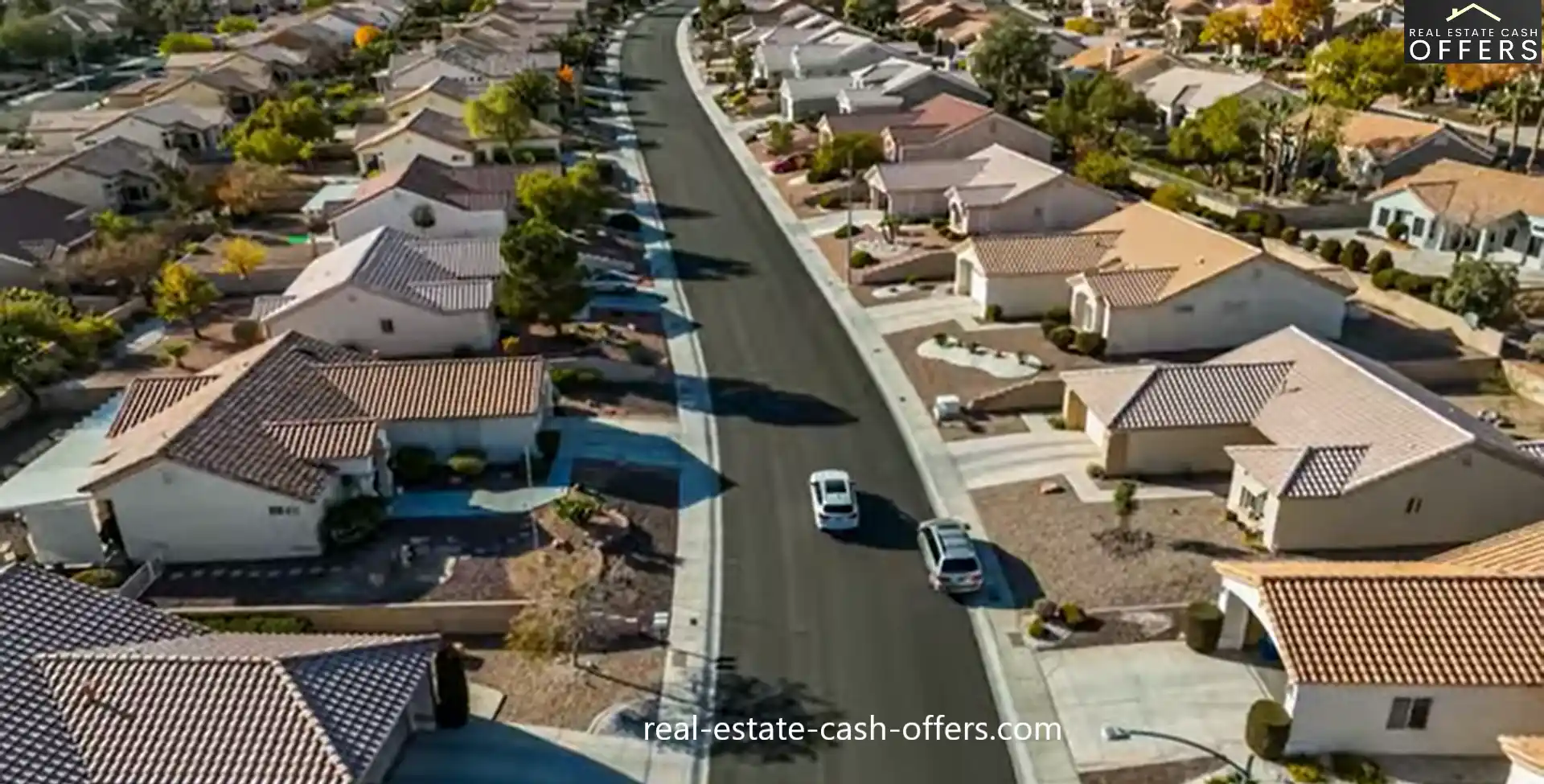
If you want a clean offer number, you still have to do your homework. A cash offer feels simple because the transaction is streamlined, but a seller should still treat pricing like it is a serious negotiation.
The difference between “cash” and “certainty”
Cash is a funding method, not a promise. A buyer can say they are buying for cash and still stumble on issues like:
- unclear title or liens
- property access problems during inspection
- zoning or code compliance surprises
- repairs required for the buyer’s plan to pencil out
That is why “cash fast” should not be mistaken for “no diligence.” A responsible cash buyer will want basic documentation, and they will still evaluate the condition and title so they can close cleanly.
If you are comparing offers, focus on how the buyer supports the certainty behind the claim. Do they provide a realistic closing timeline? Are they willing to explain the basis for their valuation? Do they outline contingencies clearly? Do they communicate like a partner, not a salesperson trying to rush you?
When cash offers can be the best move
Real estate cash offers can fit certain situations better than others. In my experience, the highest satisfaction comes from sellers who align their urgency with the right level of flexibility.
Here are a few common scenarios where “we buy houses for cash” makes practical sense:
- You need to relocate quickly and cannot wait for a long listing cycle.
- The home condition is affecting your ability to live normally or maintain it.
- You inherited a property and want to stop paying taxes, insurance, and utilities without delays.
- You are dealing with a divorce, job loss, or medical event where time becomes the limiting factor.
- You have a property with unusual features or deferred maintenance that would be difficult to sell through conventional channels.
Even in these situations, you still want to compare offers and verify the buyer’s reputation. Speed matters, but so does trust.
How the cash offer process usually works
Every transaction has its own rhythm, but most cash offer deals follow a similar pattern: contact, property review, offer, agreement, and closing. The speed comes from eliminating certain lender-driven steps, not from ignoring the real work of evaluation and paperwork.
In practice, you will often provide information like the property’s address, approximate square footage, any recent updates, and the condition you are aware of. A buyer may request photos or schedule a quick walkthrough. Some buyers can make an offer after reviewing details, but the strongest offers usually come after they understand the condition well enough to reduce surprises at closing.
Once you accept, the paperwork begins. You should expect title work, basic underwriting for the transaction, and a closing schedule. The fastest deals happen when the title is clean, access is available, and documentation is straightforward. If there are liens, missing paperwork, or disputes, timing can stretch, no matter how “cash” the buyer is.
Questions worth asking before you sign
A cash sale can move quickly, which means you have less time to “figure things out later.” Your job is to slow yourself down just enough to confirm you are protected.
Instead of relying on verbal reassurance, ask direct questions. You can do this politely, but be firm. A reputable buyer expects questions, because they help both sides avoid misunderstandings.
Here is a short list I recommend keeping in your notes:
- What is your proposed closing date, and what could change it?
- Is the offer contingent on anything on my side, like repairs, inspections, or proof of funds?
- What is the full process for title transfer, and who handles escrow?
- Will the offer be reduced after inspection, and if so, under what conditions?
- Are there any fees I should expect at closing?
If you get vague answers, push for clarity. If the buyer cannot explain the transaction steps, you do not want to be the person who discovers the details after you sign.
A realistic look at inspections and deductions
A frequent surprise is that “cash offers” can still involve inspections. The buyer may not need a mortgage appraisal, but they still need to know the property’s condition because their money is on the line.
If you hear “no inspection needed,” that can be a red flag. Some buyers might still choose to evaluate without a formal inspection, but most credible offers involve a way to account for condition and reduce risk.
When adjustments happen, they are often tied to specific issues. For example, if a buyer assumes the roof is closer to mid-life but later sees it is nearing the end of its useful lifespan, the offer could shift. Similarly, if water damage is found behind walls or flooring, the buyer might request an adjustment because the remediation cost can be significant.
This is where your disclosure matters. If you know about a prior leak, foundation repair, or updated HVAC age, share that information early. It can protect you from midstream changes, and it helps the buyer make a more accurate offer from the start.
How to improve your cash offer without “fixing everything”
Cash buyers often buy homes as-is or close to as-is, but that does not mean you should do nothing. You are not trying to renovate the kitchen. You are trying to reduce uncertainty.
The best improvements are usually small and defensive. They address obvious safety issues, accessibility, and documentation that affects valuation.
You do not need a full checklist for every house, but a few practical moves can make a difference:
First, confirm major systems and provide documentation if you have it. If the furnace was replaced last year, that fact helps. If you have receipts for plumbing repairs or a new water heater, offer them.
Second, clear the paths for access. If the buyer needs to inspect the basement, attic, or crawlspace, make it reachable. A stuck gate, blocked walkway, or unsafe access can slow things down and sometimes forces conservative pricing.
Third, fix or disclose what is easy to address. A non-functioning door latch, broken lock, or a missing handrail might not sound like valuation drivers, but safety and access concerns can make a buyer plan around avoidable problems.
The key is to spend money where it reduces the buyer’s risk. If you are spending thousands to make a home “camera ready,” you might be outspending the benefit of a faster sale.
Comparing cash offers to listing your home
Sometimes the best move is not cash. It might be listing. The deciding factor is the balance between time, net proceeds, and the effort you can tolerate.
A listing can deliver a higher price when the home is in strong condition, the neighborhood has consistent demand, and you can manage showings and contingencies. Cash is often stronger when you want speed, certainty, and fewer moving parts.
To make this comparison easier, think in terms of outcome. A cash offer might be lower, but if it closes quickly and eliminates years of stress, the net result can still feel better.
Here is a simple comparison of what usually changes:
| Aspect | Listing with a traditional buyer | Real estate cash offers | |---|---|---| | Timeline | Often weeks to months | Frequently weeks, sometimes faster | | Financing risk | Possible delays from underwriting | Typically reduced or eliminated | | Repair negotiation | More likely after Real Estate Cash Offers inspections | Often handled upfront in the price | | Stress level | Showings, open houses, coordination | Usually fewer steps once you accept | | Highest price potential | Can be higher in the right market | Often lower, but simpler |
If you are unsure which path fits your situation, the most effective strategy is to evaluate both. Get a cash offer to test your floor, then decide if you can realistically handle a listing timeline. Many sellers choose cash after seeing how long a listing might take relative to their personal deadlines.
What “fast close” can actually mean
People hear “cash fast” and imagine a deal in days. In reality, closing speed depends on more than the buyer’s wallet. It depends on title conditions, paperwork readiness, and how quickly the buyer can finalize the transaction steps.
In many cases, a cash sale can close in a matter of weeks rather than months, but “fast” should still be treated as a range. I have seen deals that moved quickly because the seller had documentation ready and the property was straightforward. I have also seen timelines stretch because the title required extra work, or because property access was delayed by the seller’s schedule.
If speed is your priority, ask for a realistic range rather than a single date. A good buyer will tell you what could slow things down and how they handle those issues.
Common mistakes sellers make with cash offers
Cash offers can reduce friction, but they do not remove the need for judgment. Some sellers lose money or run into avoidable stress because they assume cash deals are always protective.
One mistake is accepting the first offer without checking if it is truly competitive. Another is ignoring contract language about deadlines, property condition, or holdback amounts. Even if the buyer is reputable, you still need to understand your obligations.
A more subtle mistake is not preparing for move-out. If you are buying elsewhere or need temporary housing, your closing date affects everything. The “we buy houses for cash” conversation may focus on closing speed, but you should also plan for your own logistics.
Finally, some sellers understate the condition of the property. If you know there is an ongoing issue, disclose it. Miscommunication can lead to renegotiation after the buyer learns more. That is not necessarily “unfair,” it is simply the buyer recalibrating risk.
How to evaluate a buyer offering “we buy houses for cash”
Not all cash buyers operate the same way. Your goal is to find someone who can close smoothly and communicate clearly.
You do not need to overcomplicate this, but you should verify a few fundamentals. Ask how they handle escrow, title, and any required documentation. Ask who will conduct the title search. Ask whether they are willing to provide the written terms clearly in the contract.
Also, pay attention to behavior. Does the buyer explain the process, or do they push you to sign quickly without clarity? Do they respect your questions? Do they offer a realistic offer based on property details, or do they make broad claims with no valuation reasoning?
In my we buy houses for cash company experience, the best cash offers come from buyers who are direct. They do not promise the highest price. They promise a clean transaction and a clear path to closing.
The real question: do you want cash, or do you want control?
Sometimes “cash fast” is about money. Other times it is about control. Control means knowing your timeline, reducing uncertainty, and preventing your home sale from consuming your energy.
When you consider real estate cash offers, weigh both sides:
- If you accept a cash offer, you might net less than the best-case listing scenario, but you gain speed and fewer complications.
- If you list, you might net more in the right market, but you accept the risk of delays, repairs, and the emotional toll of constant coordination.
Neither choice is automatically better. The best decision is the one that matches your life constraints.
Getting ready to sell when cash is the goal
If you plan to pursue cash offers, start organizing early. Not with expensive repairs, but with information. The faster you can supply the basics, the faster you can move.
A simple approach is to gather documents related to the home: any proof of updates, warranties you still have, and records of major repairs. Also, prepare a candid summary of the condition. If you have areas of concern, write them down. A buyer can price around known issues far more accurately than they can price around unknown ones.
This is also the time to think about your move-out timeline. If you need to coordinate with work travel, school schedules, or a new apartment lease, let the buyer know early. Many delays happen not because of funding, but because moving parts do not align.
When you run the process like a project, cash offers feel fast for the right reason, not because details were skipped.
A final reality check on “fast cash”
If someone offers cash for your house, you can treat it as a serious financial transaction, not a casual conversation. The goal is a fair deal with clear terms, a closing date you can plan around, and a process that does not surprise you.
When cash offers are handled responsibly, you can turn your house into cash quickly while keeping your stress under control. When they are handled poorly, you can still end up facing renegotiation, delays, or confusion.
So do the work. Ask questions. Compare terms. Verify the basics. If the numbers make sense and the process feels solid, a real estate cash offer can be the clean exit you have been waiting for.
Real Estate Cash Offers
+1 (682) 402-6461
[email protected]
Website: https://real-estate-cash-offers.com/